
Wildlife Viewing in Allenspark, Colorado
Experience Colorado's Wildlife in Their Natural Habitat
One of the greatest joys of visiting Allenspark is sharing the mountains with the incredible wildlife that calls them home. Surrounded by Rocky Mountain National Park, Roosevelt National Forest, and thousands of acres of protected wilderness, the area offers exceptional opportunities to observe animals in their natural environment.
Whether you're enjoying your morning coffee on the porch, hiking a nearby trail, or driving along the Peak to Peak Scenic Byway, unforgettable wildlife encounters are often just around the corner.

Elk
Large herds of elk are common throughout the region. During the fall rut (typically September through October), visitors may hear the unforgettable sound of bull elk bugling as they compete for mates.
Best places to look:
Open meadows
Rocky Mountain National Park
Highway 7 corridor
Near Estes Park
Best season:
Year-round
Peak activity during the fall rut
Black Bears
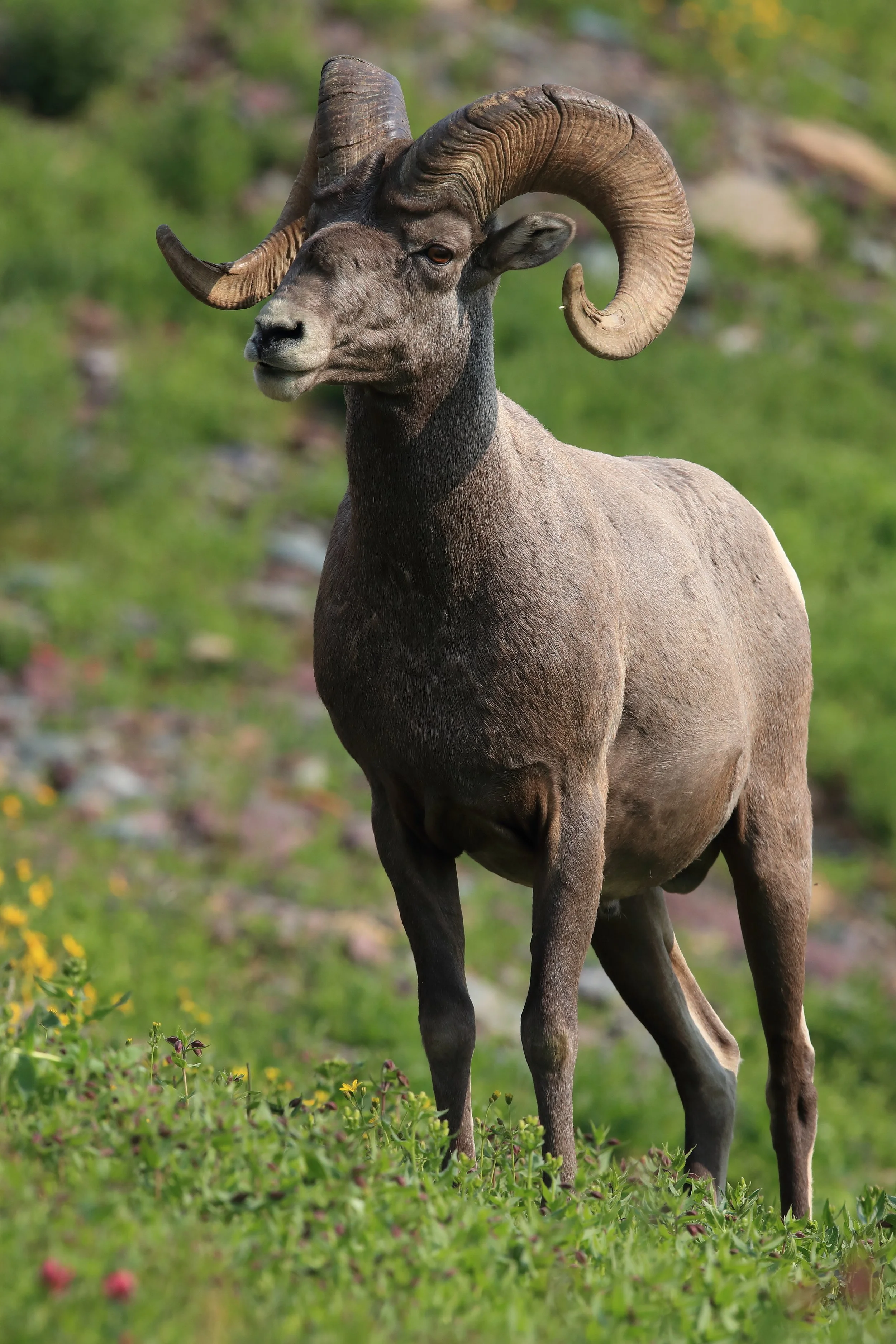
Black bears inhabit the forests surrounding Allenspark and are most active from spring through fall.
Although sightings are relatively uncommon, bears occasionally pass through residential areas while searching for food.
Bear Safety
Never leave food outside.
Store trash securely.
Do not approach or feed bears.
Give every bear plenty of space.

Birds You'll See
Bird lovers will enjoy watching:
Broad-tailed Hummingbirds
Steller's Jays
Clark's Nutcrackers
Mountain Chickadees
Canada Jays
Red-tailed Hawks
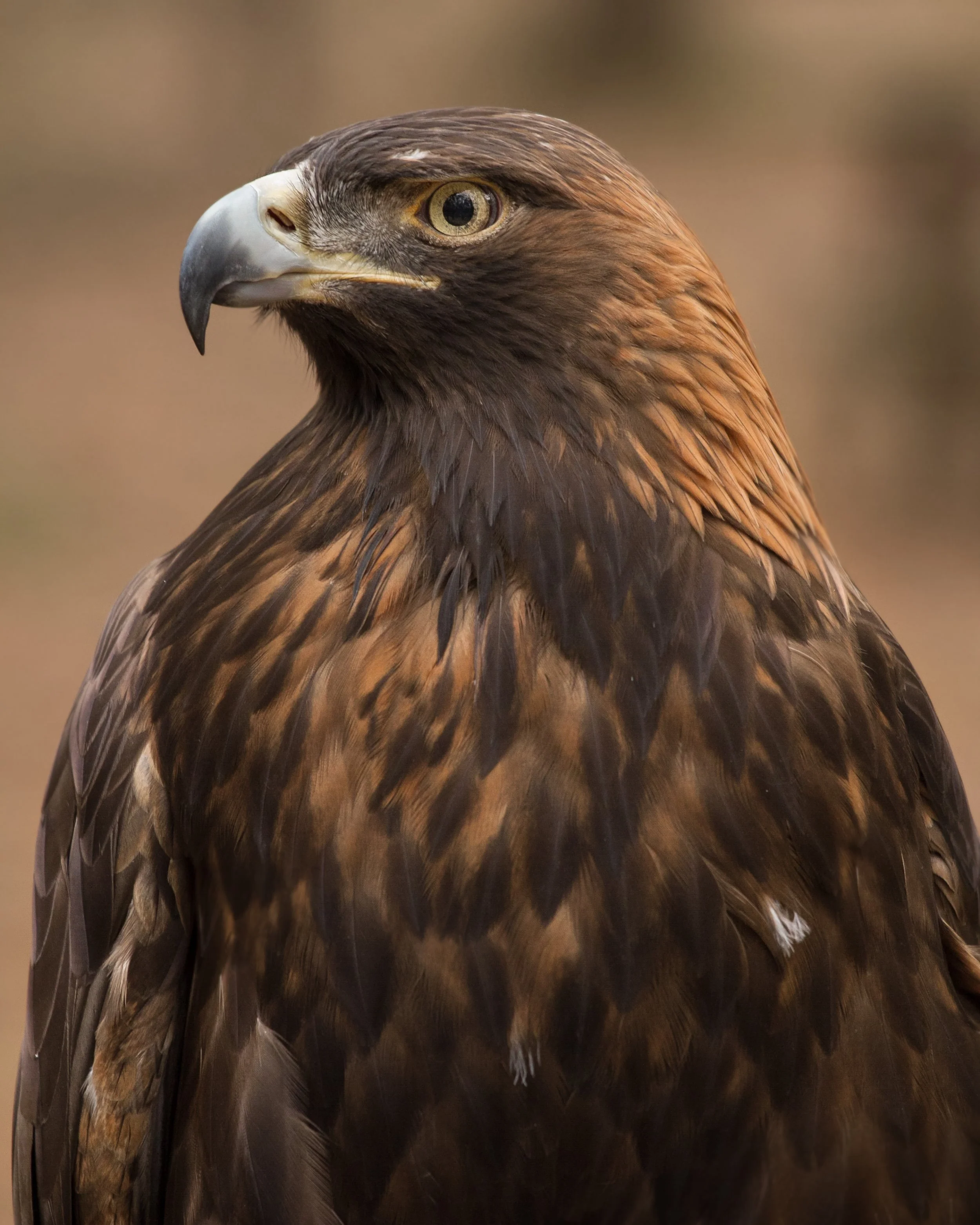
Golden Eagles
Great Horned Owls
American Dippers along mountain streams
Summer mornings are especially active for birdwatching.
Moose
The Allenspark and Wild Basin area is one of the best places in Colorado to spot moose. These impressive animals are frequently seen feeding in willow-filled meadows, near streams, and around wetlands, particularly during the early morning and evening hours.
Best places to look:
Wild Basin area
Along Highway 7
St. Vrain Creek
Wet meadows and marshy areas
Best viewing times:
Sunrise
Dusk

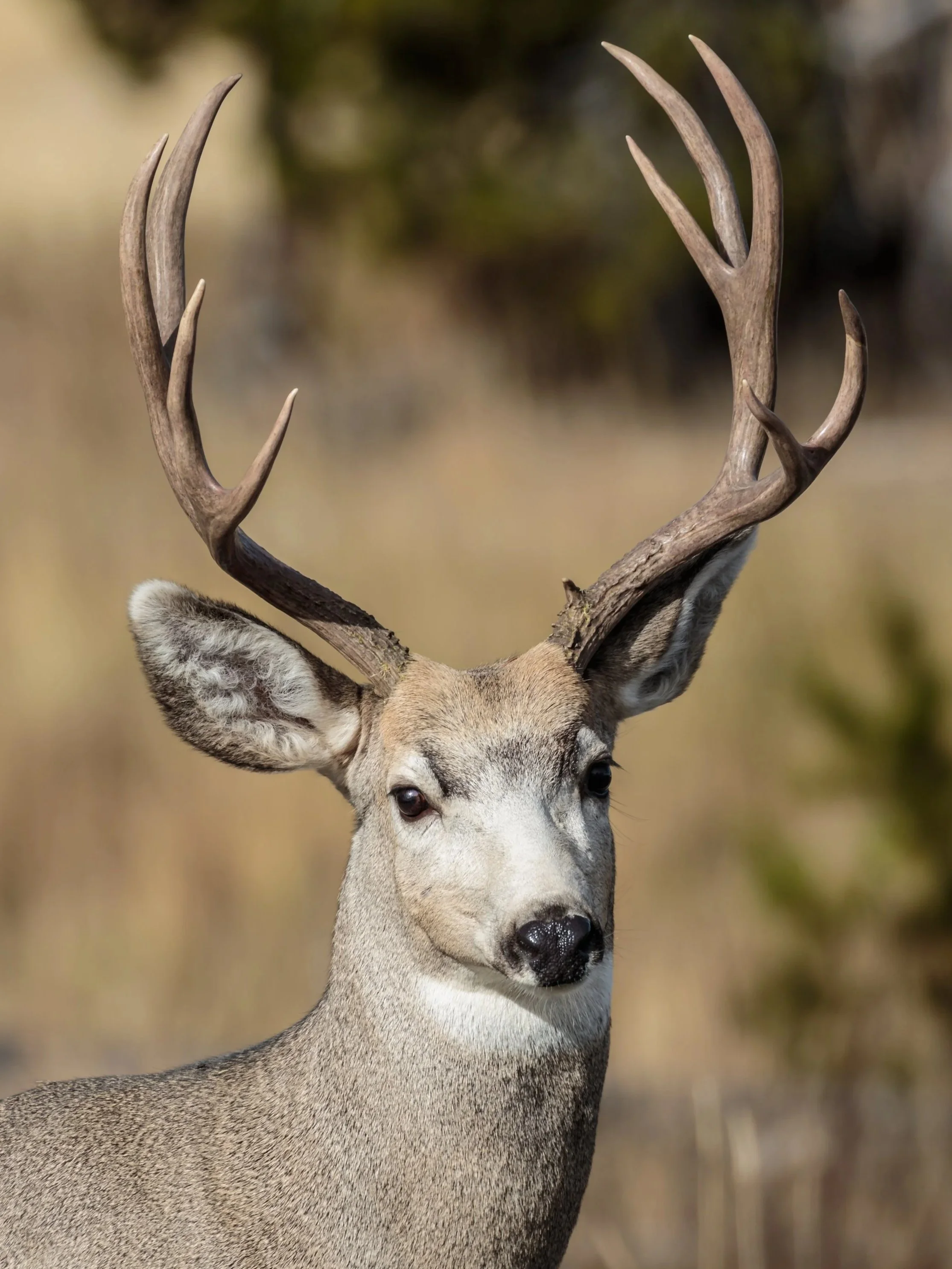
Mule Deer
Mule deer are among the most commonly seen animals in Allenspark. They're often spotted grazing near cabins, roadsides, and forest edges.
Visitors are encouraged to admire them from a distance and never feed wildlife.
Bighorn Sheep
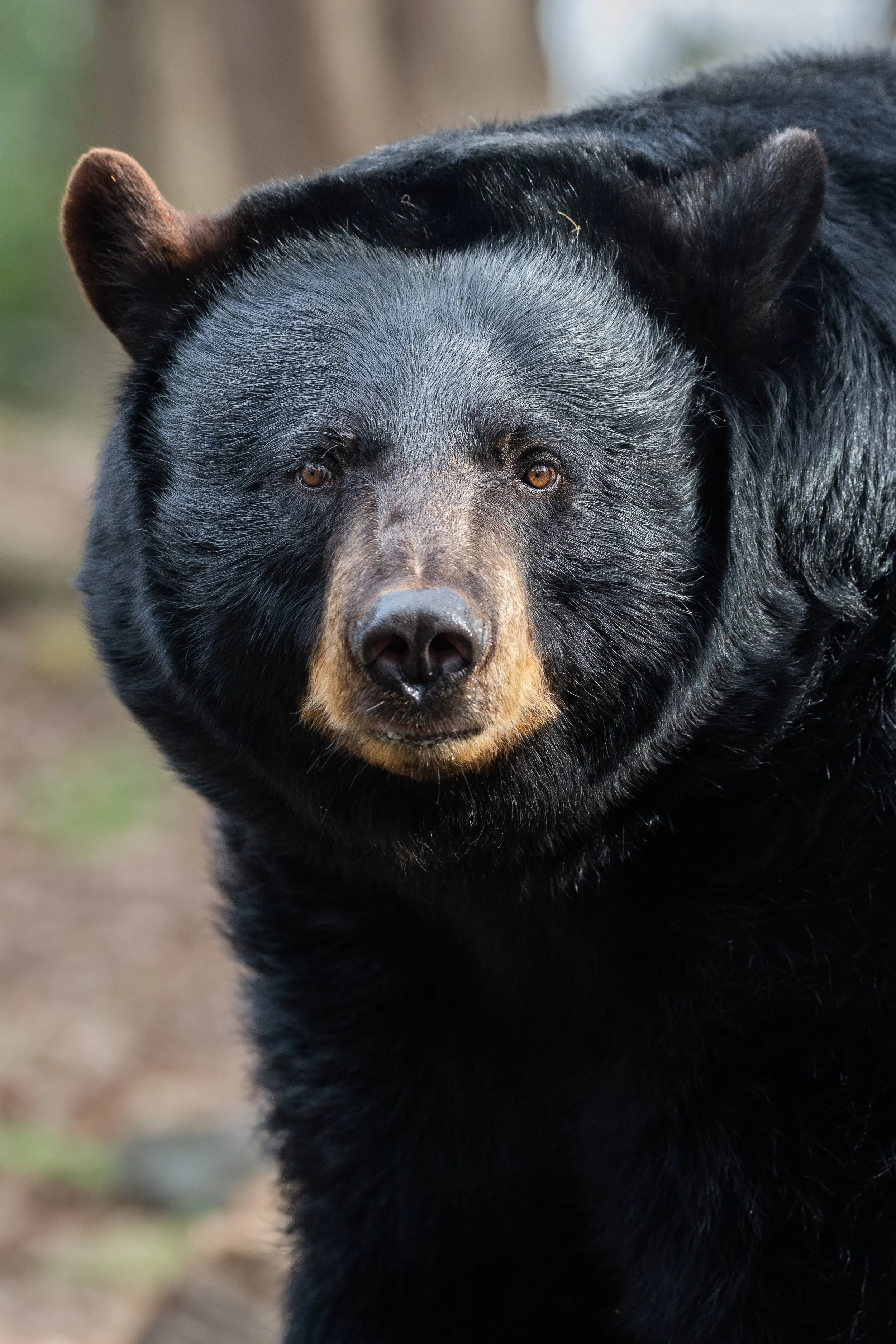
Colorado's state animal can sometimes be seen navigating rocky cliffs and steep alpine terrain, especially at higher elevations.
Bring binoculars. You may spot them where others don't.
Marmots & Pikas
High-elevation hikers often encounter these charming alpine residents.
Yellow-bellied Marmots
Large ground squirrels
Often sunning themselves on rocks
Known for their distinctive whistles
American Pikas
Small relatives of rabbits
Collect grasses for winter
Frequently heard before they're seen


Best Times for Wildlife Viewing
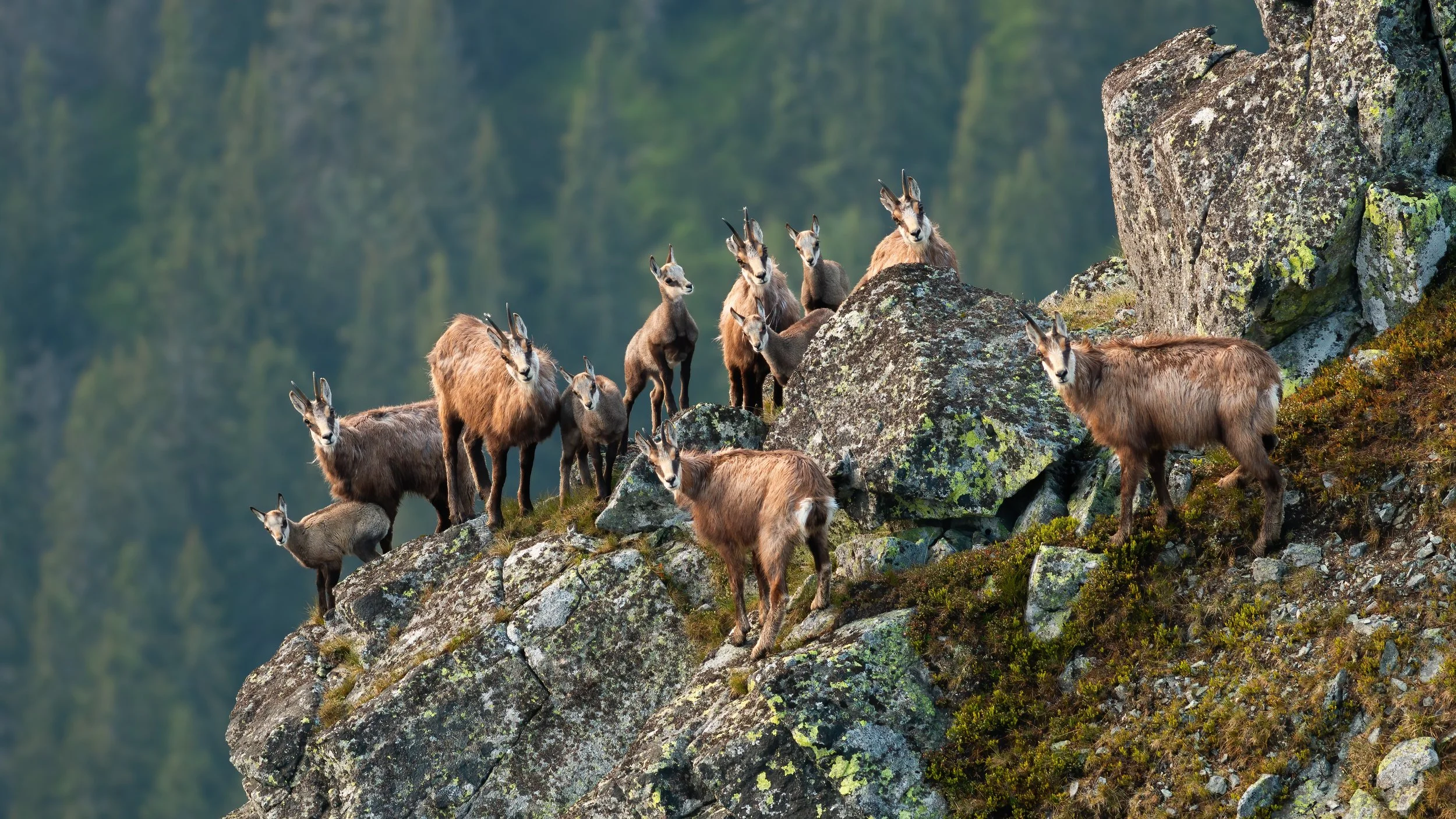
The best wildlife activity typically occurs:
🌅 Early Morning – Sunrise to about 9:00 a.m.
🌄 Evening – Two hours before sunset
Animals generally become less active during the middle of the day, especially during summer.
Wildlife Viewing Tips
✔ Bring binoculars or a camera with a zoom lens.
✔ Stay at least 75 feet from deer and elk.
✔ Stay at least 100 feet from bears and moose.
✔ Never feed wildlife.
✔ Keep dogs leashed.
✔ Stay on designated trails.
✔ Be patient—sometimes the best sightings happen when you simply sit quietly and observe.

Respect Wildlife
The animals that make Allenspark so special are wild and deserve plenty of space. Observing them responsibly helps protect both visitors and the wildlife that calls these mountains home.
With a little patience—and a bit of luck—you may leave Allenspark with memories of a bugling elk at sunrise, a moose quietly feeding in a mountain meadow, or a hummingbird hovering just outside your cabin. Those are the moments that make the Rockies unforgettable.